Home03 · The Chip LabEquipment & Infrastructure

Equipment & infrastructure

A tool is not "in" when it lands on the floor. It is in when it is released to production.

More than 1,400 equipment installations, integrations, relocations and facility-readiness projects across fabs, OSATs, OEM labs and R&D lines taught me that the space between the crate and the first production wafer is where schedules are won. Here is that space, stage by stage.

1,400+ installations & projects>95% uptime sustained100+ tools, Micron Fab10100+ ATE installs, Infineon

Interactive module 03 · tool install lifecycle

Nine stages from site readiness to sustaining.

Press play to watch a bay come alive, or click a stage for its purpose, checklist and the lesson the floor taught me about it.

SUBFABBAY 12 · TOOL FOOTPRINT POINTS OF CONNECTION VERIFIED RIGGING · AIR SKATES · TILT INDICATORS PROCESS TOOL · MAINFRAME PWRGASPCWVACEXH SAT RELEASED PM · CM · FDC LEVELLED · SEISMIC ANCHORS · SUBFAB UNITS PLACEDHOOKED UP · LEAK-CHECKED · LABELLED · SIGNED OFFPOWERED · INTERLOCKS · EMO · GAS DETECTIONSAT · HARDWARE PERFORMANCE VS FAT BASELINEQUAL LOTS · PARTICLES · UNIFORMITY · MARATHONMES LIVE · SPC · PM PLAN · TRAINED SHIFTUPTIME > 95% · RELOCATE · REFURBISH · DECOMMISSION

Stage 01

Site readiness

Before the crate ships, the bay must be proven ready: the tool's facility-requirements sheet matched line by line to the points of connection under the floor, floor loading and vibration checked, cleanroom class certified, rigging route surveyed.

ChecklistHookup drawing signed · POC utilities verified and tagged · floor loading and vibration report · cleanroom certification · rigging route and door clearances · EHS permitsLearn by doingRead a facility-requirements sheet against a real floor. The gap between "drawing" and "as-built" is the whole job.
From the floorAt HCL, cleanroom readiness, utility integration and facility hookups were programme deliverables across multiple sites, reviewed before any tool was scheduled.

Stage 02

Rigging & move-in

Crates are inspected for tilt and shock indicators, unpacked in the right zone, and moved on air skates or rollers along the surveyed route into the bay. One bad rigging day can cost a tool its warranty.

ChecklistShock and tilt indicators photographed · crate inspection with OEM · decontamination and wipe-down · route protection · lifting plan and permits · subfab components stagedLearn by doingStand next to the rigging crew for one move. You will never again schedule two moves through one corridor.

Stage 03

Positioning & levelling

The mainframe is set on its footprint, levelled to spec, anchored (seismic where required), and its subfab units, pumps, chillers, RF generators, placed directly below at their own points of connection.

ChecklistFootprint and clearance verified · levelling within OEM tolerance · anchors torqued · subfab units placed and labelled · frame groundingLearn by doingLevelling a wafer-handling robot's mainframe teaches you what "0.1 mm over 2 m" means in practice.

Stage 04

Facility hookup

Power, process and purge gases, process cooling water, ultra-pure water, vacuum, exhaust and data are connected from the POCs to the tool. Every line is leak-checked, labelled and signed off against the hookup drawing. Compliance with SEMI S2/S8 and local codes is verified here.

ChecklistPower termination and phase check · gas lines helium leak-tested · PCW flow and temperature · exhaust static pressure · vacuum foreline · data/SECS-GEM cabling · hookup drawing as-builtLearn by doingFollow one gas line from the valve manifold box to the tool. Then explain the purge procedure to someone else.
From the floorMicron Fab10: 100+ new tools installed and hooked up by my CVD module team, each qualified and released for production during the startup.

Stage 05

Power-on & safety checks

The first power-on is a safety event, not a milestone. Interlocks, emergency-off circuits, gas detection, grounding and exhaust alarms are tested before any process gas is introduced. The OEM engineer and the fab's EHS team sign together.

ChecklistInterlock matrix tested · EMO chain verified · gas detection and abatement online · LOTO points identified · exhaust and scrubber alarms · software and recipe accessLearn by doingRun the interlock test with the OEM engineer. The list of things that can hurt you becomes a list of things you understand.

Stage 06

Site acceptance test (SAT)

The tool must reproduce, on your floor, the hardware performance it demonstrated at the factory acceptance test: robot accuracy, chamber leak-up rates, RF matching, temperature control. Deviations become punch-list items with owners and dates.

ChecklistFAT baseline compared · hardware performance tests · leak-up and base pressure · robot teach and wafer mapping · punch list with owners · acceptance signedLearn by doingOwn one SAT test end to end and write the deviation report. Acceptance is a document, not a feeling.
From the floorPECVD SAT/LAT and warranty support across Asia and Europe with Applied Materials, consistently meeting SLA-defined targets and customer acceptance milestones.

Stage 07

Process qualification / LAT

Now the tool must make wafers that match the reference tool: film thickness, uniformity, particles, electrical results. Qualification lots, marathon runs and statistical comparison decide whether the tool is production-worthy.

ChecklistParticle baseline · film or etch uniformity maps · golden-tool correlation · marathon run and MTBF baseline · recipe lock · SPC charts createdLearn by doingTake the qualification lot through metrology yourself. The wafer map tells you things the tool log never will.

Stage 08

Release to production

The tool is connected to the MES, its SPC charts and FDC limits are live, the PM plan and spares are in place, and the shift team is trained. The module owner and the process owner sign the release. The tool now belongs to production.

ChecklistMES and AMHS integration · FDC and SPC live · PM schedule and spares kit · trained and certified operators and technicians · OCAPs written · release signedLearn by doingWrite the release checklist for one tool and defend it in the release meeting.
From the floorAcross Tech Mahindra and Micron programmes, installation, commissioning and qualification consistently delivered release-to-production with >95% equipment uptime afterwards.

Stage 09

Sustain, relocate, refurbish, decommission

A tool lives for a decade or more. Preventive and corrective maintenance, upgrades, uptime and OEE reporting, and eventually relocation to another site, refurbishment for a second life, or safe decommissioning with full decontamination.

ChecklistPM/CM programme · FDC-driven maintenance · spares and consumables strategy · upgrade and retrofit planning · relocation and decontamination protocols · decommissioning and EHS closureLearn by doingRelocating a tool is the whole lifecycle in reverse and then forward again. It is the best training a young engineer can get.
From the floorPTW India's lifecycle portfolio covers installation, integration, commissioning, relocation, refurbishment, decommissioning, fab automation and operational support.
01 / 09

Point of connection

Eight things every tool needs from the building.

The hookup drawing is the contract between the facility and the tool. A fab is really thousands of these contracts, honoured on a schedule.

  • Power: three-phase supply, grounding, UPS for controllers, EMO integration.
  • Process & purge gases: specialty gases from cabinets and VMBs, nitrogen purge, gas detection.
  • Process cooling water (PCW): flow, temperature, pressure and water quality to each heat load.
  • Ultra-pure water (UPW) and chemicals for wet tools; drains segregated by chemistry.
  • Vacuum: dry pumps, forelines, house vacuum; exhaust: scrubbed, heated or general, at the right static pressure.
  • Compressed dry air (CDA) for pneumatics; data for SECS/GEM, FDC and the MES.
PROCESS TOOL POWER · 3Ø · UPS · EMO PROCESS & PURGE GASES PCW · FLOW · TEMP UPW · CHEMICALS VACUUM · FORELINE EXHAUST · SCRUBBED DATA · SECS/GEM · FDC CDA · PNEUMATICS
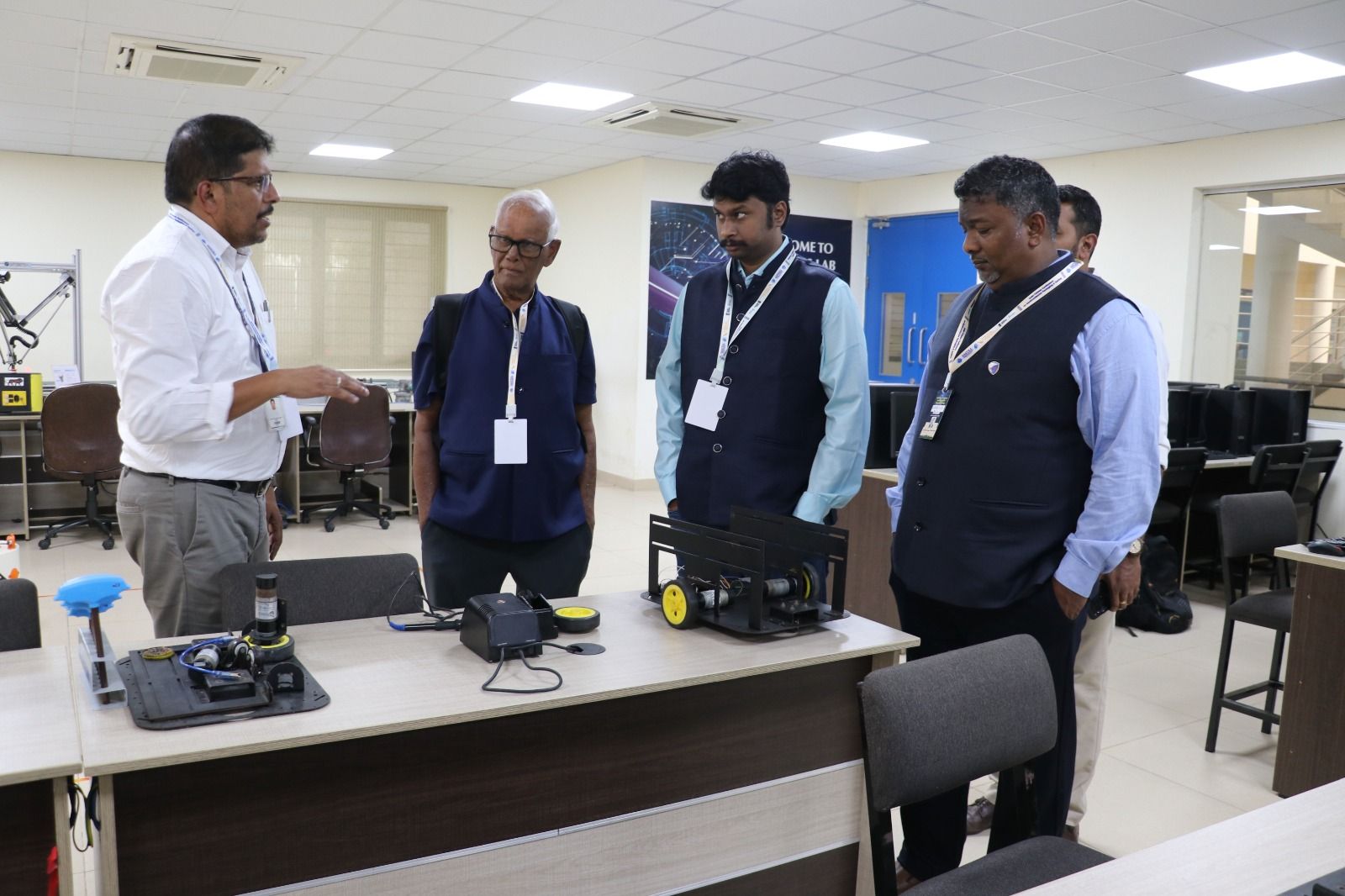
A group being walked through a semiconductor equipment laboratory
Equipment labWhere a tool set is explained the only way that sticks: standing in front of it
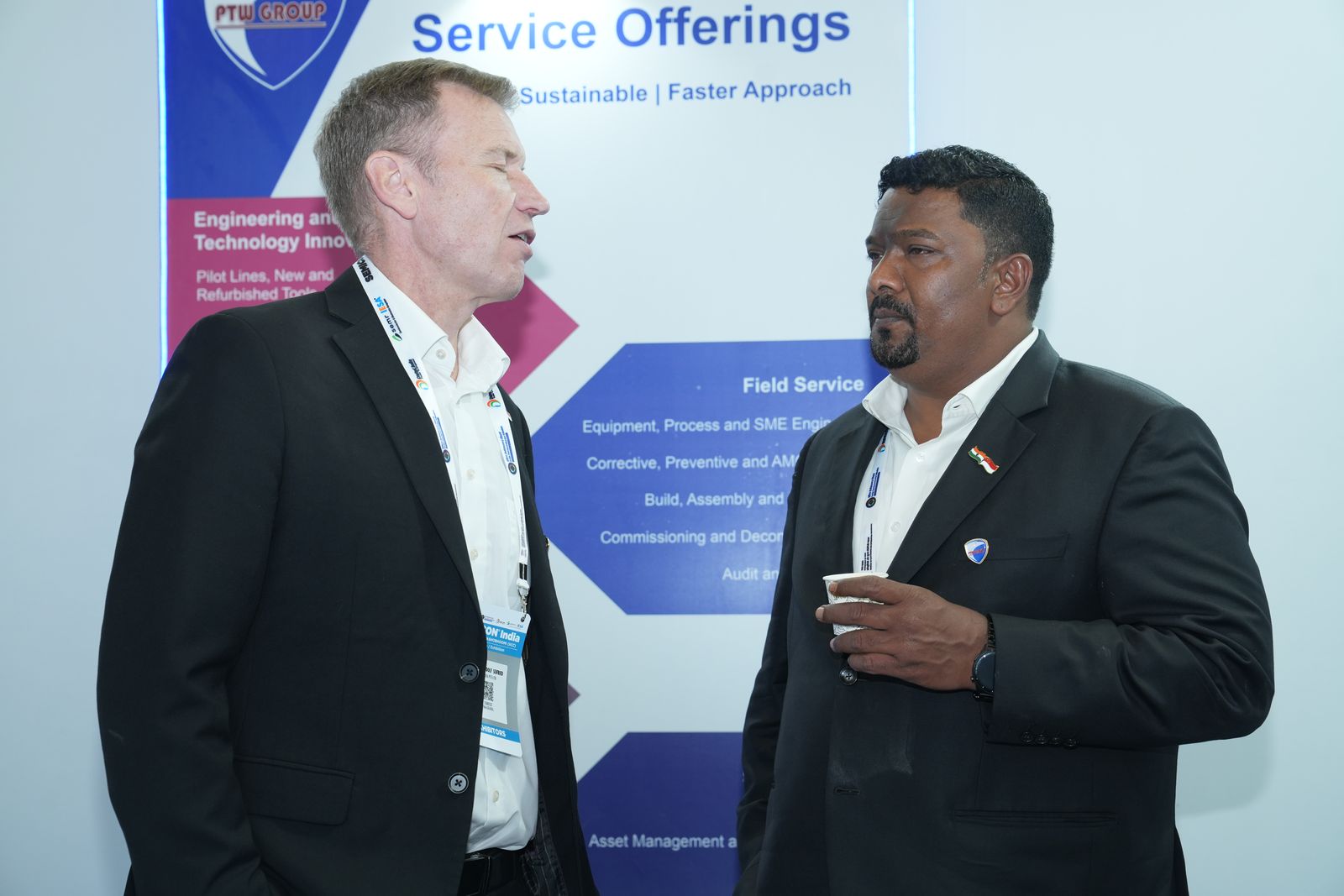
Venkatesh Kumar Pandurengan discussing service offerings with a colleague at an exhibition
Lifecycle servicesInstall, commission, sustain, relocate, refurbish, decommission

Lifecycle services

What an equipment engineering partner actually does.

The portfolio I built and lead at PTW India, and the same disciplines I ran at Micron, Orbit, Tech Mahindra and HCL.

Installation & integrationRigging, positioning, hookup and integration with facility, MES and AMHS.
Commissioning & qualificationPower-on, safety checks, SAT, LAT, process qualification and release to production.
Operational supportPM/CM, sustaining engineering, uptime and OEE programmes, spares strategy.
Relocation & refurbishmentDe-install, decontaminate, move and re-qualify tools; refurbish for a second life.
DecommissioningSafe shutdown, decontamination, EHS closure and documentation.
Fab automationSECS/GEM integration, FDC connectivity and automation support for tools and lines.

Who represents the fab?

Owner's Engineer, PMC, PMCM, EPCM: four roles, one question.

On a semiconductor project the contractor represents the contract. Someone has to represent the fab. These are the roles that do, and the ones I advise on.

OWNER'S ENGINEER

The fab's technical conscience

Reviews designs, specifications and hookup drawings on the owner's behalf; runs technical due diligence; challenges every assumption with tool-level knowledge.

PMC

Project management consultancy

Schedule, cost, risk and stakeholder governance across the programme. Keeps the tool move-in calendar aligned with the building.

PMCM

Project & construction management

Adds site supervision and construction coordination: the daily interface between civil, MEP, cleanroom and equipment teams.

EPCM

Engineering, procurement, construction management

The delivery model for the facility itself. Works only when the owner's side can read what it is being delivered.

"Every fab I have seen slip, slipped between the building and the tools. That interface needs an owner, not a contractor."

Facility planning, cleanroom readiness, tool-install strategy, operational resilience and technical due diligence are the advisory services I provide through PTW India and independently.